
A cosmetic bottle is more than just packaging—it's the first impression your beauty product makes. Whether you're a brand owner, formulator, or curious consumer, understanding cosmetic containers helps you make smarter choices about product quality, preservation, and sustainability.
Defining Cosmetic Containers
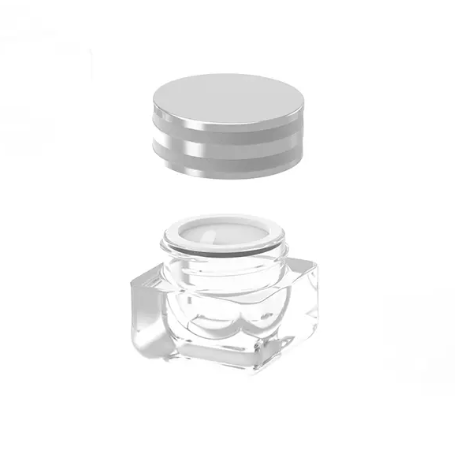
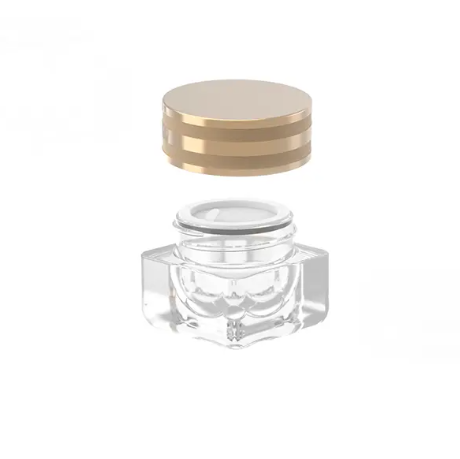
Cosmetic containers are specialized vessels designed to store, protect, and dispense beauty and personal care products. From elegant glass serums to practical plastic squeeze tubes, these containers serve both functional and aesthetic purposes in the beauty industry.
The term encompasses various formats:
- Cosmetic bottles (lotions, toners, foundations)
- Jars (creams, masks, balms)
- Tubes (cleansers, sunscreens, lip products)
- Airless pumps (serums, anti-aging treatments)
- Droppers (facial oils, concentrated essences)
Why Cosmetic Bottle Design Matters
Product Protection
The primary function of any cosmetic bottle is safeguarding its contents. Quality containers protect formulations from:
Light degradation: Amber, cobalt blue, or opaque bottles shield light-sensitive ingredients like Vitamin C and retinol from UV damage.
Air exposure: Airless pump systems prevent oxidation, extending product efficacy and shelf life significantly.
Contamination: Proper sealing mechanisms keep bacteria, moisture, and environmental pollutants from compromising product integrity.
Temperature fluctuations: Insulated materials maintain formula stability across varying storage conditions.
Consumer Experience
Beyond protection, cosmetic bottles directly impact user satisfaction:
- Dispensing precision: Pumps, droppers, and controlled-flow openings ensure appropriate product amounts
- Ergonomic design: Comfortable grip and intuitive operation enhance daily routines
- Visual appeal: Attractive packaging influences purchasing decisions and brand perception
- Portability: Travel-friendly sizes and leak-proof designs accommodate modern lifestyles
Types of Cosmetic Bottle Materials
Glass Bottles
Advantages: Premium appearance, excellent chemical resistance, 100% recyclable, preserves formula integrity
Best for: High-end serums, perfumes, essential oils, luxury skincare lines
Considerations: Heavier weight, breakage risk, higher production costs
PET Plastic Bottles
Advantages: Lightweight, shatter-resistant, cost-effective, widely recyclable
Best for: Shampoos, body lotions, mass-market products, travel sizes
Considerations: Potential chemical interactions with certain ingredients, environmental concerns
HDPE Containers
Advantages: Excellent chemical resistance, squeezable flexibility, recyclable
Best for: Cleansers, conditioners, products requiring squeeze dispensing
Considerations: Limited transparency options
Airless Pump Systems
Advantages: Maximum product protection, precise dispensing, hygienic operation, complete product evacuation
Best for: Sensitive formulations, preservative-free products, anti-aging treatments
Considerations: Higher cost, complex mechanisms
Choosing the Right Cosmetic Bottle
Selecting appropriate containers requires balancing multiple factors:
Formula Compatibility
Your cosmetic bottle material must be chemically compatible with product ingredients. Essential oils may degrade certain plastics, while acidic formulations require resistant materials.
Target Market Expectations
Luxury brands demand premium glass packaging, while eco-conscious consumers prefer sustainable materials. Understanding your audience guides container selection.
Regulatory Compliance
Cosmetic containers must meet safety standards for food-grade materials, migration limits, and labeling requirements across different markets.
Sustainability Goals
Modern consumers increasingly value environmental responsibility. Consider:
- Recyclable materials
- Refillable systems
- Post-consumer recycled (PCR) content
- Biodegradable alternatives
- Minimalist packaging approaches
Industry Trends in Cosmetic Packaging
The cosmetic bottle industry continues evolving with emerging trends:
Sustainable innovation: Brands adopt ocean plastic, bamboo components, and carbon-neutral manufacturing processes.
Smart packaging: QR codes, NFC chips, and augmented reality features enhance consumer engagement and authentication.
Customization: Small-batch production enables personalized packaging for indie brands and limited editions.
Minimalism: Clean, simple designs reflect transparency values and reduce material waste.
Refill revolution: Major brands introduce refillable cosmetic bottle systems, reducing single-use packaging significantly.
Conclusion
A cosmetic bottle represents the crucial intersection of science, design, and marketing in the beauty industry. The right container protects valuable formulations, enhances user experience, communicates brand values, and increasingly demonstrates environmental responsibility.
Whether you're launching a new product line or simply curious about what holds your favorite skincare, understanding cosmetic containers reveals the thoughtful engineering behind every bottle on your vanity.
Investing in quality cosmetic packaging isn't just about aesthetics—it's about preserving product efficacy and building lasting consumer trust.
Post time: Dec-30-2025