
If you’re sourcing mass market essential oil glass bottle packaging, you’ve probably asked the key question: Should essential oils be in glass bottles? For most essential oils—and especially for products intended for retail shelves—the answer is yes. Glass protects oil quality, supports brand trust, and helps reduce costly customer complaints like leaks, oxidation, or “the scent changed.”
That said, not all glass bottles are equal, and a smart packaging choice depends on your oil type, sales channel, and price point. Here’s how to decide.
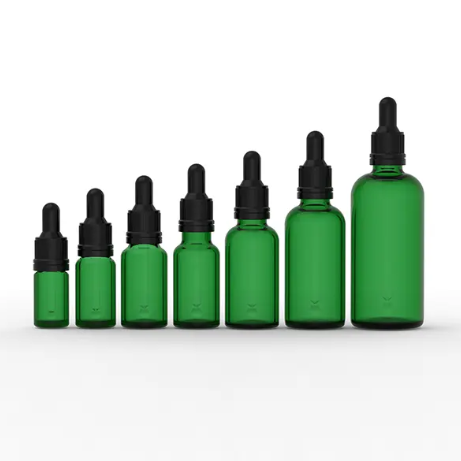
Why essential oils are usually better in glass
Essential oils are concentrated, volatile, and reactive. Many formulas contain compounds (like terpenes) that can slowly interact with certain plastics, especially in warm conditions or during long storage. Glass is chemically stable, which makes it a safer default for preserving the oil’s original aroma and performance.
Key benefits of glass bottles for essential oils:
- Better chemical compatibility: Glass is far less likely to react with essential oil components.
- Stronger barrier protection: It helps limit oxygen transfer that can accelerate oxidation.
- Improved scent integrity: Less risk of “plastic note” contamination over time.
- Premium perception for mass market: Shoppers often associate glass with purity and quality.
If your goal is to build repeat purchases, protecting scent consistency matters more than most brands expect. Customers can forgive slow shipping—many won’t forgive an oil that smells “off.”
Amber, cobalt, or clear: which glass is best?
Light exposure can degrade certain essential oils. That’s why amber glass dominates the market: it filters UV and offers dependable protection at a reasonable cost.
- Amber glass: Best balance of UV protection + mass-market affordability.
- Cobalt/blue glass: Good protection and premium look, but higher cost.
- Clear glass: Usually not ideal unless the oil is kept in boxes or sold in low-light environments.
For mass-market retail, amber typically wins because it’s protective and cost-efficient.
What about plastic bottles—are they ever OK?
In some cases, plastic can be acceptable (for example, certain short-term samples, diluted blends, or specific materials like aluminum-lined options). But for pure essential oils, plastic increases risk—especially if products sit in warehouses, trucks, or sunny store shelves.
If you’re choosing packaging for scale, the safer strategy is: glass bottle + proper closure system.
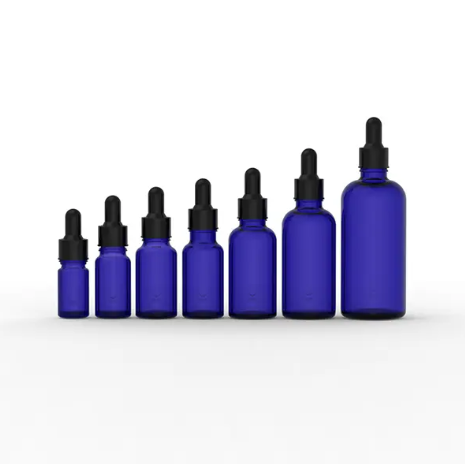
The closure matters as much as the bottle
A high-quality mass market essential oil glass bottle setup isn’t just the glass. Leaks and evaporation usually happen because of the cap, insert, or dropper fit.
Popular closure options:
- Orifice reducer + screw cap: Great for controlled drops; cost-effective for mass market.
- Euro dropper: Common in aromatherapy; consistent dispensing.
- Glass dropper (pipette): Premium feel for serums and blends, but can be messier for pure oils.
Also check the neck finish (often 18-415 for essential oils), liner quality, and torque specs. Small mistakes here cause big returns.
Best sizes for mass market essential oils
Most brands sell:
- 10ml: classic starter size, gifting, and trial purchases
- 15ml: popular in the U.S. market
- 30ml: better value for frequent users and blends
For scaling SKUs, 10ml and 15ml are the easiest to standardize across caps, labels, and cartons.
Practical buying tips (to reduce defects and protect margins)
If you’re buying in volume, prioritize:
- Consistent glass thickness and weight (prevents cracking during shipping)
- UV-protective amber color consistency
- Leak testing with your specific oil (citrus oils can be more demanding)
- Packaging compatibility: label adhesive, carton fit, and dropper performance
Bottom line
So, should essential oils be in glass bottles? For most brands aiming at quality, stability, and customer trust—yes, essential oils should be packaged in glass, especially amber glass. It’s the mass-market standard for a reason: it protects the product and supports long-term brand credibility.
Post time: Jan-06-2026